Jamaican Food Favorites for Parties and Gatherings
@marcolpjl461
November 6, 2026 · 15 min read
Few cuisines bring a room together like Jamaican food. The aromas alone do half the work. Scotch bonnet, pimento, thyme, scallion, ginger, allspice, smoke from the grill, a pot of rice and peas simmering nearby, fried plantain catching color in hot oil, and curry perfuming the air from the kitchen. Even before the first plate is filled, people are already leaning in, asking what is ready and what is coming next.
That pull is exactly why Jamaican dishes work so well for parties and gatherings. They are generous by nature. Many of the best-known recipes are built for feeding a family, a yard full of friends, or a community event where nobody wants to leave hungry. They also hold up well on a buffet table, which matters more than people sometimes realize. Food for a party does not just need to taste good at minute one. It needs to stay appealing over an hour or two, survive transport if it is going off-site, and make sense for a mix of guests with different appetites and heat tolerance.
A good Jamaican party menu is not simply a collection of famous dishes. It is a balance of fire, richness, starch, freshness, and practicality. The best hosts know that a spread should have at least one showstopper, a couple of sturdy sides, and enough variety that the person who loves bold spice and the person who prefers milder flavors can both eat happily. That balance is where Jamaican cooking shines.
What makes Jamaican food such a strong fit for entertaining
Jamaican cooking carries big flavor without requiring fussy presentation. That is useful at a gathering, where food often needs to be served in batches and replenished quickly. A tray of jerk chicken, a pot of curry goat, or a deep pan of escovitch fish can look abundant and inviting without anyone in the kitchen fussing over delicate garnishes.
There is also a social quality to the food itself. Many signature dishes are meant to be shared. Rice and peas is not a side you make in tiny portions. Festival is not something people stop at one piece. A proper pan of baked macaroni and cheese, made the Jamaican way with enough seasoning and structure to slice cleanly, draws people back for seconds. Even patties, which can function as hand-held snacks, tend to disappear in clusters rather than singles.
Another strength is range. Jamaican food can anchor a casual backyard lime, a birthday dinner, a wedding reception, a corporate lunch, or a family reunion. You can lean rustic and hearty, or more polished and buffet-friendly, without losing character. The flavors stay recognizable and deeply satisfying either way.
The dishes guests ask for first
When people talk about party food, they often focus on what photographs well. In practice, the dishes that matter most are the ones that make guests hover near the serving table. Jamaican food has several of those.
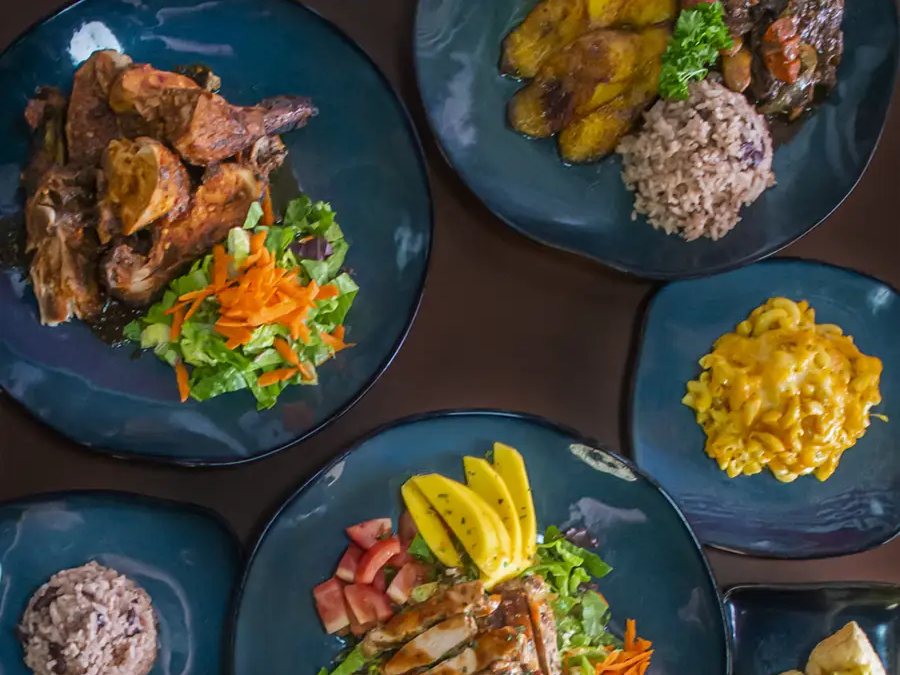
Jerk chicken is usually first in line. Proper jerk brings heat, smoke, sweetness, and herbaceous depth all at once. For a party, chicken is often the smartest protein because it is familiar, cost-effective, and easier to scale than some of the more premium options. Thighs and leg quarters tend to outperform breast meat in this setting because they stay moist on a warming tray and absorb marinade beautifully. If there is one mistake hosts make with jerk chicken, it is chasing pure heat and forgetting balance. The best versions are not just spicy. They have allspice, thyme, ginger, garlic, scallion, a little sweetness, and enough salt to make the whole thing vivid.
Curry goat has a different role. It is not always the largest tray on the table, but it is often the most coveted. A well-made curry goat delivers richness and depth that reward slow cooking. The meat should be tender but not falling apart into stringy shreds. The sauce should coat the spoon, carry the flavor of curry powder and aromatics, and have enough body to cling to rice. At weddings and milestone gatherings, curry goat has a kind of celebratory status. People notice when it is good, and they definitely notice when it runs out too early.
Oxtail serves a similar function, though usually at a higher cost. It is luxurious, savory, and deeply satisfying, especially when cooked with broad beans and reduced until the gravy is glossy. For hosts working within a tighter budget, oxtail can be offered as one premium item alongside more economical mains. https://angelorynr442.bearsfanteamshop.com/the-best-sides-to-serve-with-jamaican-food That approach works well because guests tend to take a moderate portion of oxtail and fill the rest of the plate with rice, vegetables, and another protein.
Escovitch fish brings brightness to a spread that might otherwise lean heavily toward braised meats and starches. The pickled vegetables, usually carrot, onion, and pepper, cut through richness in a way that keeps the meal lively. For smaller gatherings, whole fish can be dramatic and memorable. For larger buffet service, fillets or split fish are easier to portion and less intimidating for guests who do not want to navigate bones while standing with a paper plate in one hand.
Then there is stew chicken, which does not always get the glamour of jerk or curry goat, but earns its place every time. Browned, seasoned, and simmered until the sauce turns dark and savory, it is one of the most dependable dishes for feeding a crowd. It appeals to nearly everyone, including guests who may be less comfortable with high spice levels.
The side dishes that make the plate feel complete
If the main dishes get the attention, the sides determine whether the meal feels abundant or merely adequate. Jamaican food depends on contrast, and nowhere is that clearer than in the supporting dishes.
Rice and peas is foundational. Despite the name, it is commonly made with kidney beans or gungo peas depending on the occasion and the cook’s preference. Coconut milk, thyme, scallion, and often a whole Scotch bonnet give it fragrance and depth. For parties, rice and peas does more than fill the plate. It absorbs gravy, balances spice, and gives structure to the meal. Plain white rice has its place too, especially when the mains are highly seasoned, but rice and peas usually carries more personality.
Fried plantain adds sweetness and softness, which matters on a plate with fiery jerk or richly spiced curry. Plantain also does something subtler. It helps guests pace themselves. A bite of sweet plantain between savory forkfuls resets the palate and keeps the meal from becoming one-note. The only real challenge is timing. Plantain is best when freshly fried and still lightly caramelized at the edges. For larger events, it helps to cook in waves rather than all at once.
Festival is another crowd-pleaser, especially with jerk meats or fish. Slightly sweet, crisp outside, tender inside, it fills the role that bread or rolls might fill in another cuisine, but with much more character. Guests who are unfamiliar with it usually become fans very quickly. Bammy can play a similar supporting role, especially at seafood-centered gatherings, though it appeals to a narrower audience than festival.
Jamaican-style macaroni and cheese deserves mention because it behaves differently from softer stovetop versions. A good baked pan slices neatly, carries seasoning, and stands up on a buffet line without collapsing. It is especially useful at mixed-age gatherings because children usually go for it first, and adults rarely leave it alone either.
Callaloo, cabbage, and other vegetable sides should not be treated as afterthoughts. A tray of steamed cabbage with carrot, pepper, onion, and thyme can bring welcome lightness to a rich menu. Callaloo, cooked properly, contributes earthiness and a softer texture that rounds out a plate. These dishes matter most when there are several heavy mains on offer.
The snack table matters more than people think
Not every gathering starts with a full meal. Sometimes guests arrive over a long window, drinks are flowing, and the kitchen needs another hour before the main spread is ready. That is where Jamaican snacks and smaller bites earn their keep.
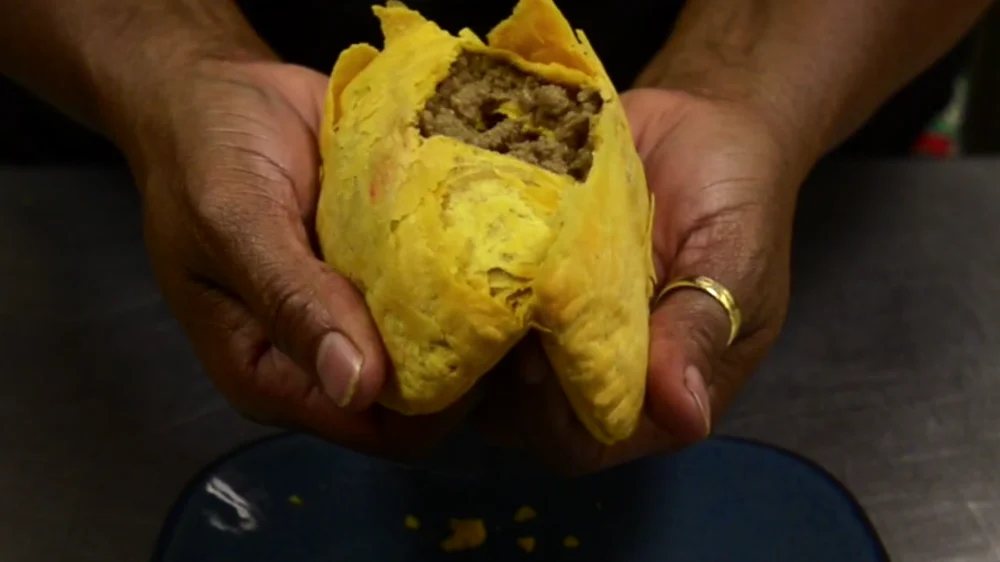
Patties are the obvious star. Beef patties are the standard, but chicken, vegetable, and sometimes curry variations work well too. For parties, smaller cocktail-sized patties can make more sense than full-sized ones, particularly when a large meal is coming later. Full-sized patties tend to fill people up faster than hosts expect. If patties are going to be served early, it helps to keep them hot and replenish in small batches so the pastry stays crisp.
Saltfish fritters are another excellent choice. They carry plenty of flavor in a small bite and pair naturally with drinks. They also set the tone immediately. One bite tells guests they are not getting generic party food. They are getting something with identity. The same goes for festival cut into shorter pieces and served warm, perhaps with a mild dip or on its own.
Jerk wings can work well in this role too, though they need attention. Wings vanish quickly, and they are messy by nature. For a casual backyard event, that is fine. For a more formal reception, they are better replaced by tidier options unless finger foods are part of the atmosphere.
Heat, seasoning, and the judgment that separates a good menu from a great one
One of the fastest ways to lose part of your audience is to make every dish aggressively hot. Scotch bonnet is central to Jamaican cooking, but good hosting requires judgment. Heat should be deliberate, not indiscriminate.
At parties, I generally think in layers. Let one main dish carry serious heat, often jerk. Let another deliver spice in a rounder, gentler way, such as curry chicken or curry goat. Keep at least one major item mild but fully seasoned, like stew chicken or baked fish. That way, guests can build the plate they want. The person who wants sweat-on-the-forehead jerk can have it, and the guest who is spice-shy still leaves impressed by the flavor.
This matters because Jamaican food is often misunderstood by outsiders as simply hot. It is far more nuanced than that. The seasoning base, thyme, allspice, scallion, onion, garlic, ginger, black pepper, and fresh herbs, carries the cuisine just as much as chili does. If the only note guests remember is fire, something has gone wrong.
Matching the menu to the type of gathering
A backyard party can support different choices than a wedding reception or office event. The setting should guide the menu.
For a casual outdoor gathering, jerk is often the centerpiece because the grill becomes part of the event. People enjoy seeing food cooked over flame, and the smoke creates anticipation. In that setting, you can lean into interactive energy. Trays come out in rounds, plantain is fried to order, music is playing, and nobody minds eating with a little sauce on their fingers.
A more formal event usually benefits from a menu that plates or serves cleanly. Curry goat, stew chicken, rice and peas, steamed vegetables, and a firm baked macaroni and cheese are all strong choices because they hold well and portion predictably. Escovitch fish can still work, but it needs careful handling so it does not become messy on a buffet.
For office lunches or mixed corporate crowds, it often helps to take a gentler approach. Jerk can stay on the menu, but paired with milder mains and clearly labeled spice levels. Boneless or easier-to-eat options tend to go over better when guests are balancing plates while networking. In those settings, a tray of jerk chicken pieces, curry chicken, rice and peas, cabbage, and patties often lands better than a bone-heavy spread.
Family gatherings allow more freedom because guests usually know the food and arrive with expectations. That is where dishes like mannish water, roast yam, or a seafood spread can shine, depending on the crowd and the region’s traditions. Familiarity gives you room to be more specific and personal.
Quantities, timing, and the reality of feeding a crowd
The romance of party cooking fades quickly if quantities are misjudged. Jamaican food is hearty, and people tend to serve themselves enthusiastically, especially if they love the menu. It is wiser to plan for generous appetites than to hope guests nibble lightly.
Rice and peas usually disappears faster than first-time hosts expect. The same is true of macaroni and cheese and fried plantain. Guests often take those items in larger portions than they take the protein. Patties can vanish almost as quickly, particularly if there is a delay before the main meal. It is smart to think of appetizer food and meal food as separate consumption patterns. People who say they are “just having one” patty often take a second, then still eat a full plate later.
Timing is just as important as quantity. Jerk can be grilled in stages and held briefly, but it is at its best when not left too long. Curry goat and stew chicken are more forgiving because they often taste even better after resting and reheating gently. Rice and peas needs enough lead time to finish properly, but should not sit uncovered and dry out. Escovitch fish is one of the trickier items because the fish texture matters. Too far ahead and it loses some of its edge.
The most reliable party menus usually combine one item that benefits from last-minute cooking with several that hold well. That mix keeps food tasting fresh without putting impossible pressure on the kitchen during service.
Drinks and desserts that support the meal
A strong menu pays attention to what happens after the savory dishes, and to what guests are drinking throughout. Jamaican food has enough personality that the wrong beverage pairing can flatten the experience.
Sorrel is a natural fit for festive occasions. Its tartness and spice play beautifully against rich meats and sweet fried sides. Ginger beer also works well, especially with jerk, because it echoes the heat and sharpness in the food without getting lost. For a lighter option, a simple citrus punch or lemonade can help cool the palate.
On the dessert side, restraint usually works best after a heavy meal. Rum cake remains a classic because it feels celebratory and slices well for a crowd. Gizzada, grater cake, or coconut drops can work too, particularly at more casual events where guests may want to graze rather than sit for a formal dessert course. The key is not to overburden people after a plate of curry goat, rice and peas, and macaroni and cheese. Dessert should feel like a pleasant final note, not another challenge.
A few menu combinations that rarely fail
When hosts feel overwhelmed by options, I usually steer them toward combinations with built-in balance. These are the menus that consistently satisfy a broad crowd without overcomplicating service.
- Jerk chicken, rice and peas, fried plantain, steamed cabbage, and festival.
- Curry goat, stew chicken, white rice or rice and peas, callaloo, and macaroni and cheese.
- Escovitch fish, bammy or festival, rice and peas, fried plantain, and a fresh cabbage side.
- Patties and fritters for the early crowd, followed by jerk chicken and curry chicken with two strong sides.
- Oxtail as the premium dish, supported by a larger tray of stew chicken, plus rice and peas and vegetables.
The reason these combinations work is simple. Each one balances richness with freshness, strong spice with milder comfort, and exciting centerpiece dishes with filling, dependable sides.
The difference between authentic flavor and performative excess
There is a temptation, especially at themed events, to pile every recognizable Jamaican item onto one table and assume abundance equals success. It usually does not. Too many heavy dishes can blur together. Too many fiercely spiced items tire the palate. Too many fried starters can steal appetite from the meal itself.
A better approach is to cook with confidence and edit with discipline. Choose dishes that complement one another. Let one or two items be memorable and bold. Allow the sides to support rather than compete. Authentic flavor does not require excess. It requires attention to seasoning, texture, timing, and hospitality.
That last point matters most. Jamaican food has always carried a spirit of welcome. The dishes are flavorful, yes, but they are also deeply communal. They ask to be shared, passed, spooned out generously, and discussed between bites. People talk about the jerk, debate whose curry is best, compare this tray of mac and cheese to the one their aunt makes, and reach for another piece of plantain while they do it. That is what makes these favorites so effective at parties and gatherings. They feed people well, and they give them something to gather around.
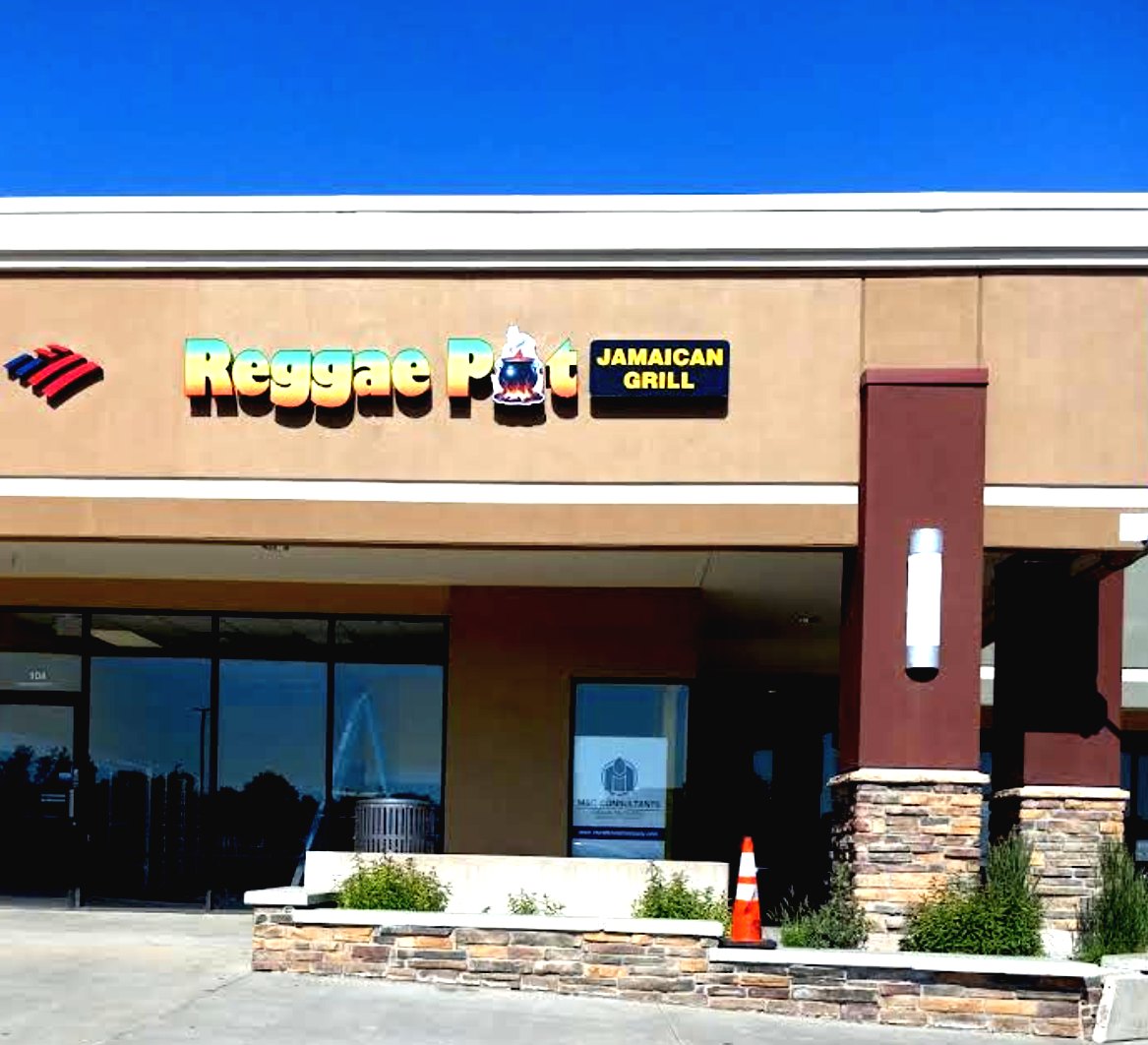
Reggae Pot Jamaican Grill
2243 S Monaco St Pkwy #104
Denver, CO 80222
+1 720-410-2956
FAQ About jamaican food
What is the best Jamaican food to try in Denver?
The best choice depends on your tastes. Popular options include jerk chicken, curry goat, slow-cooked oxtail, and savory patties. Reggae Pot lists these dishes on its menu, with sides such as rice and peas and plantains. Ask the Denver team about current availability and spice levels.
Is Jamaican food very spicy in Denver?
Heat varies by dish and preparation. Jerk seasoning often includes scotch bonnet peppers alongside herbs and allspice, while other dishes may have gentler seasoning. Ask about the heat of the specific dish and any sauce before ordering.
What are some popular Jamaican snacks?
Jamaican patties are a popular snack made with flaky pastry and savory meat or vegetable fillings. Other options include fried dumplings and festival, a sweet fried dough often served with savory dishes. Availability varies, so check the current menu when ordering.